
At the start of this year I set my sights on getting one thing done – planning a visit to the homeland of my parents, Panamá. Having lost three aunts in the last two years my mother and I were determined to plan this vacation around surprising the family in time for my grandmother’s birthday.
This trip was 17 years in the making. That’s right, my grandmother and I haven’t been in the same room together since I was a teenager about to graduate from high school. This is the kind of thing that happens when you’re low-income/working class and the average round trip ticket is about $1,200 EACH no matter the time of year; it’s all family-emergency-travel only and vacations are non-existent. It took a lot of budgeting, research and secret-keeping, but we managed to make this dream a reality last month.
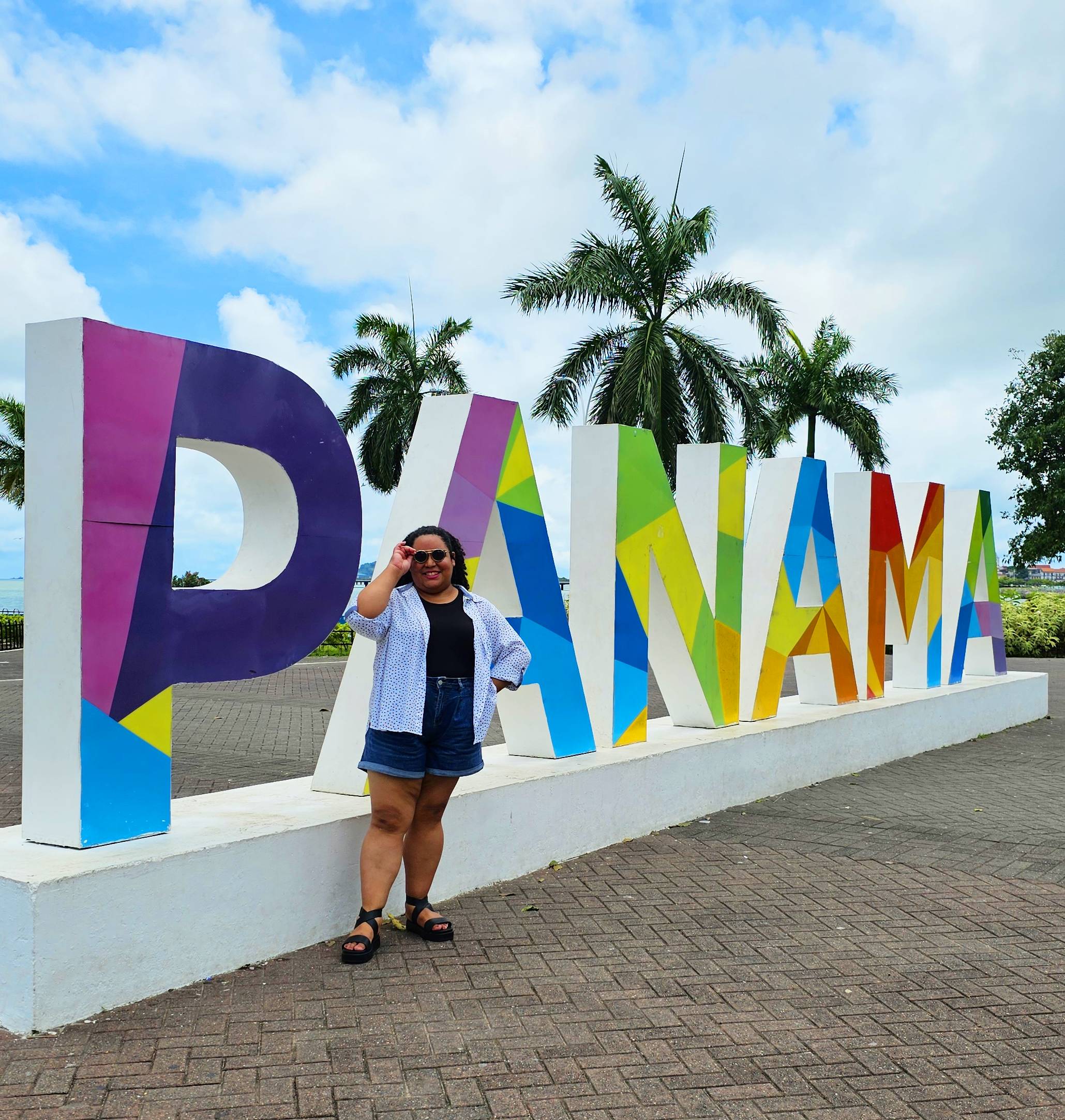
This trip was all about family so the majority of my plotted itinerary leaned heavily on family activities and the like, hence the reason I also don’t have a vacation outfit roundup, yet I wanted to share a few highlights of the trip with you as it was so fun and I spent a great deal planning it all. So consider this a simple small guide you can bookmark for your own future adventure to Panamá.
Disclaimer: While links are included, no part of this post is sponsored.
Getting there – Copa Airlines
This being my first time flying with Copa Airlines, I was genuinely impressed by the customer service provided by this airline, even months before while booking the tickets as I was able to call and get a discount on my mother’s ticket due to her being of retirement age, well at least in Panamá. I will be saving up to travel business class next time though. Flying economy with them wasn’t the worst (the tickets were super affordable, included a free checked bag and a hot meal), but those business class seats looked so roomy and for a close to six-hour flight that would be a game changer.

Chicken Chow Mein – I don’t remember the last time I had a hot meal on a flight.
That being said, one thing I must flag is that when leaving Panamá you will have to go through airport security twice – once after checking in and then by your boarding gate. You are also not allowed to bring in any liquids at that second check point even if it was purchased at the airport, and if you need to go to the bathroom you have to take all your stuff with you and go through the process again. I have no idea why this is, as this was not the case the last time I visited, but it is the most annoying thing ever especially if you’re there hours before your flight is set to board. This didn’t seem to be Copa specific though, yet it is still something to keep in mind.
Where to stay – HOtel Las Américas Golden Tower
Hands down the hardest part of planning for this trip was finding a place to stay. My assignment was to find an affordable place that was close to the bus and train for us to commute to and from my grandmother’s house that also had air conditioning, a pool (preferably indoors since it was the rainy season) and free WIFI. It took a bit of work, given the surprise element of this trip didn’t allow me to seek guidance from the family, still I ended up hitting all of these requirements and more with the Hotel Las Américas Golden Tower.

Located in the financial center of the capital city, we were practically surrounded by buses and trains so getting around was a breeze. Even better was the fact that getting a cab was also easy being that we were close to a main thoroughfare and the hotel staff was helpful in flagging them down for guests.
Our reservation included free welcome drinks, and breakfast every morning. This isn’t your basic continental breakfast either, its a full buffet with a mixture of traditional Panamanian breakfast staples, fruit and pastries with natural fruit juices alongside your tea and coffee. While there were a handful of repeat items, the menu overall changed every day allowing us to have something different each morning. Needless to say, we ate very well during our stay.
Speaking of on-site food options, the hotel also had a food court on the ground floor with 6 different restaurants to try. Though not exclusive to hotel guests, is was especially convenient for those evenings we found ourselves too tired to venture out for dinner. The restaurant options included a steakhouse, Japanese fusion, Spanish Tapas and Italian to name a few. My brother and I became quick fans of the chicken spot, Clouds Chickens, with their chicken quesadillas and skewers.

The view from our room on the 23rd floor!
Having spent the entirety of my summer working overtime, even on the weekends, you know I had to check out the pool at least once. It thankfully didn’t rain too much during our stay as we were expecting, but it was still nice to have access to an indoor pool with some late hours so we can take a dip before turning in for the night. If anything it gave me an excuse to pull out the newest addition to my swimsuit collection right before summer officially ended.

The pool also shares a floor with the hotel spa, and though I would have loved (and totally deserved) a massage, I sadly couldn’t book one given my stubborn need to stay on budget. My family has given this hotel four thumbs up and so I may have my chance to try out the spa on my next visit.
Must-Try bites – LA TAPA DEL COCO
When it comes to Panamanian cuisine, I can say that it is the best representation of the ethnically diverse fusion that is Panamá. I was around nine years old when my Great Aunt Magdalena Elena first introduced me to Plantitá , a puff pastry/patty with sweet plantain filling that is a traditional Afro-Panamanian desert from the provinces of Colón and Bocas del Toro, the latter of which is where my family is from. I only got to visit her two more times before she passed in 2016 and last year with the passing of her sister, my Great Aunt Vita, all of the keepers of our Afro-Panamanian family recipes have since passed away. So in order to get a taste of our ancestral foods I’m now forced to outsource; thankfully, I found a place that even got my grandmother’s stamp of approval.
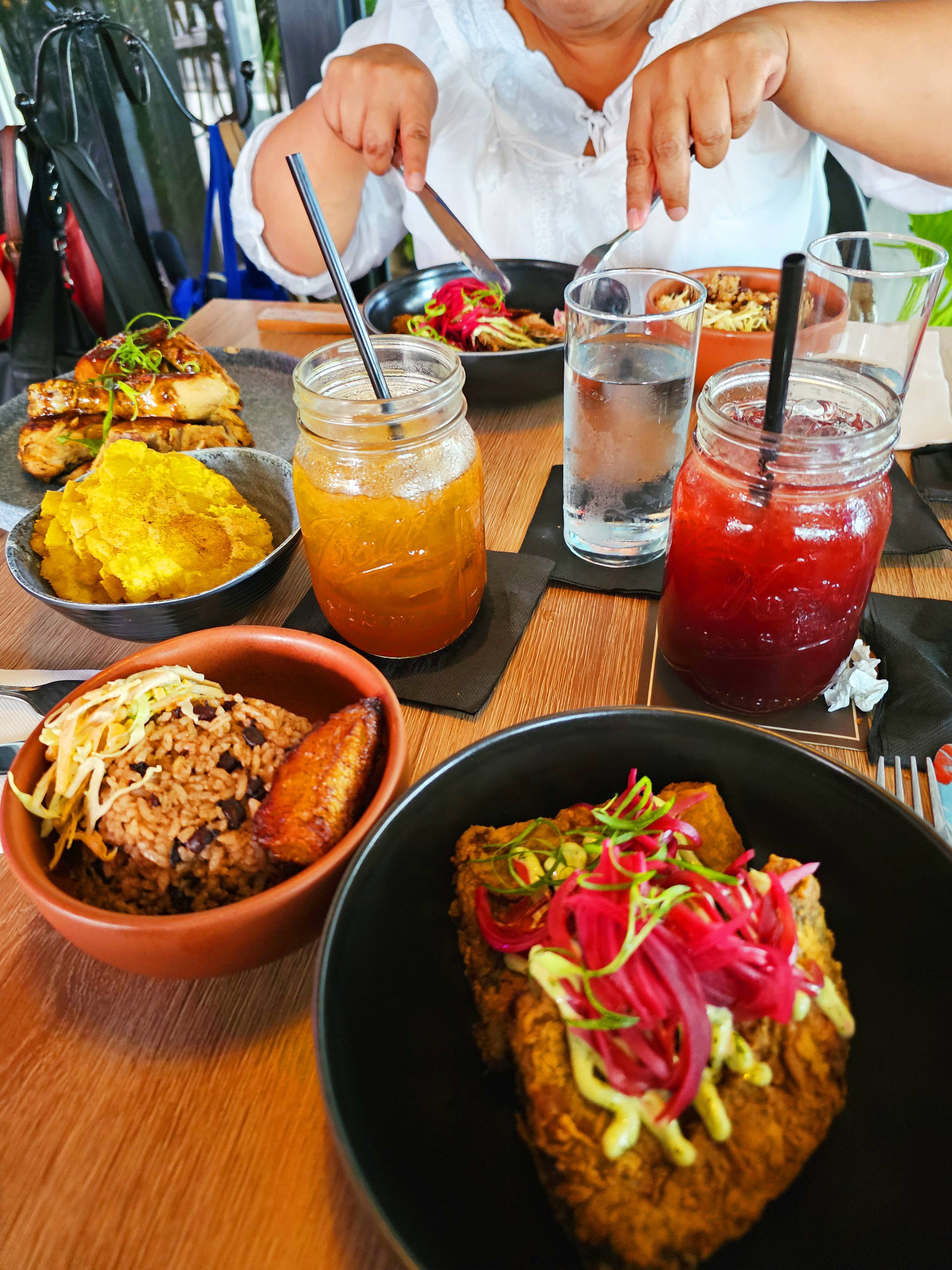
I give this meal a 15 out of 10. It was soo good!
I found out about La Tapa del Coco during one of my random deep dives through Instagram. While working on the trip itinerary I happened to take a peek at their menu and saw Plantitá/Plantain Tarts, as you can imagine it was instantly added to my restaurant list then and there. The food totally won over my grandmother who is not the easiest to impress. In fact she was super apprehensive about trying this restaurant at seeing that “gourmet” was used in their promotional copy. To her this indicated that the food would be stripped down from its origins to cater to outsiders/tourists and I can’t fault her for thinking that way given that this has practically become the norm. (Spa water, anyone?) Telling her that the chefs were both Afro-Panamanians from Colón, was enough for her to at least give it a try and she ended up ordering some food too go at the end.
Seriously, this is a culinary stop you cannot miss should you ever be in Panamá City. I highly recommend the Torrejitas de Bacalao (Salted Cod Fritters), Pesca Del Dia Corvina (Fried Corvina), Saril Con Jengibre (Sorrel with Ginger), and of course the Plantitá/Plantain Tarts.

The accompanying dips for the tarts are unique to the restaurant, but were really good too.
Art, History and Adventure – MUMO, Museo del Canal, and Panamá Viejo
Being the history buff and museum-lover that I am Casco Viejo, the historic district, was an obvious start for this vacation. The district with its colorful buildings, brick-paved streets, and vibrant plazas is a tourist hotspot made popular by the great number of restaurants and boutique hotels that have sprung up in the last couple years. Even so, the area’s rich cultural heritage shines through, with must-visit museums like MuMo (Museo de la Mola) and the Museo del Canal.
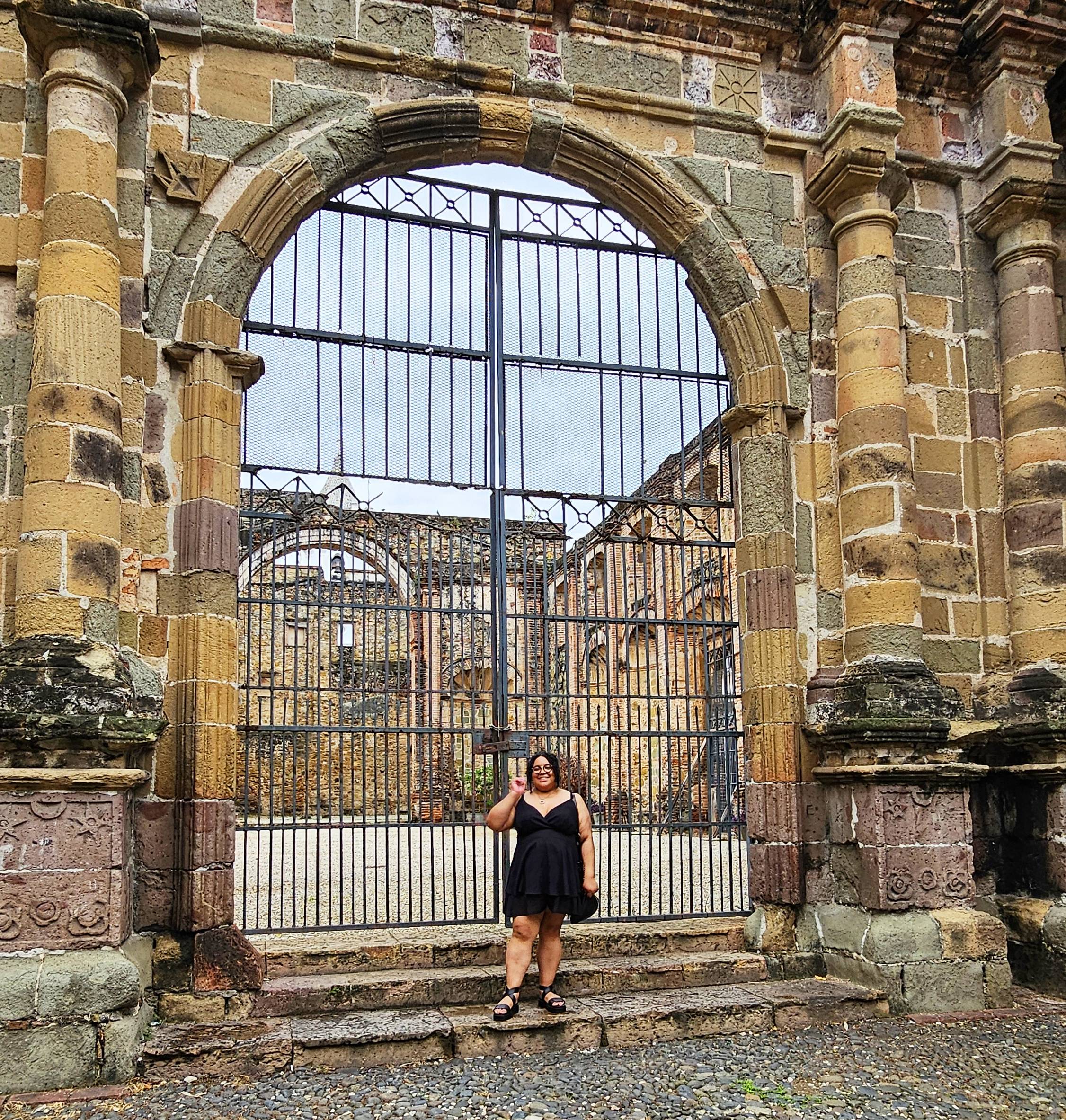
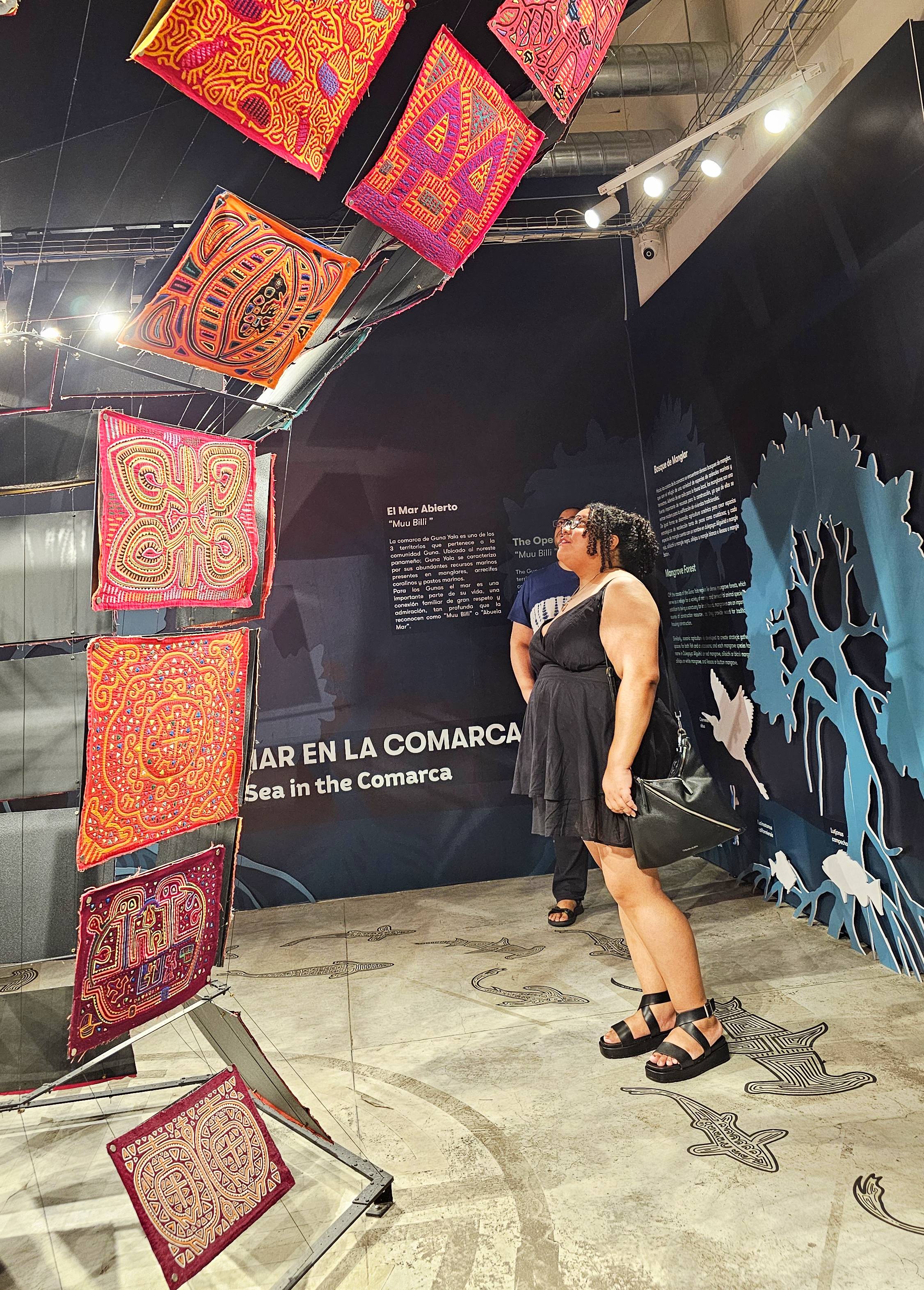
The Museo de la Mola (or MuMo as it is also known) is a new small museum that stands as a tribute of the rich culture and history of the Guna Indigenous people through their most recognizable, and wearable, works of art. The museum has an extensive collection of molas from the past to present to demonstrate the technique behind their creation and evolution of their designs with accompanying text in both Spanish and English. Although I am a descendant of the Ngäbe-Buglé (formally known as Guaymí), I have great respect for the Guna and their molas; I own quite a few pieces myself and wear them as a sign of Panamanian pride. Getting to learn more about their significance and history was a gift. Admission to MuMo is free which makes this a great stop to any walk through the historical district.
About two blocks away from MuMo you can find the Museo Del Canal, a much larger museum chronicles the history of Panamá and the construction of the canal at its various stages presented chronologically beginning from Pre-Columbian times to the present day. The museum doesn’t shy away from difficult themes particularly in the exhibition about life in the Canal Zone and the discrimination that many of those migrant workers from China and the Antillean islands faced during and after working their contracts as well as the chaos brought on by the 1989 US invasion.
Casco Viejo showcases Panama’s colonial past well enough, yet it is not the only place to immerse yourself in some of the country’s history. Panamá Viejo is the remaining part of what was the original Panamá City, and it is an historical site that I’ve been wanting to visit since I was a kid spotting the bell tower while on the car ride from the airport to my grandmother’s house. For whatever reason, my grandmother never wanted to venture over there when I was younger; apparently all it took was such a long absence for her to agree without much argument, go figure. It may have actually been worth the wait after all, as the site now has an accompanying museum to tour that had not been there years prior.
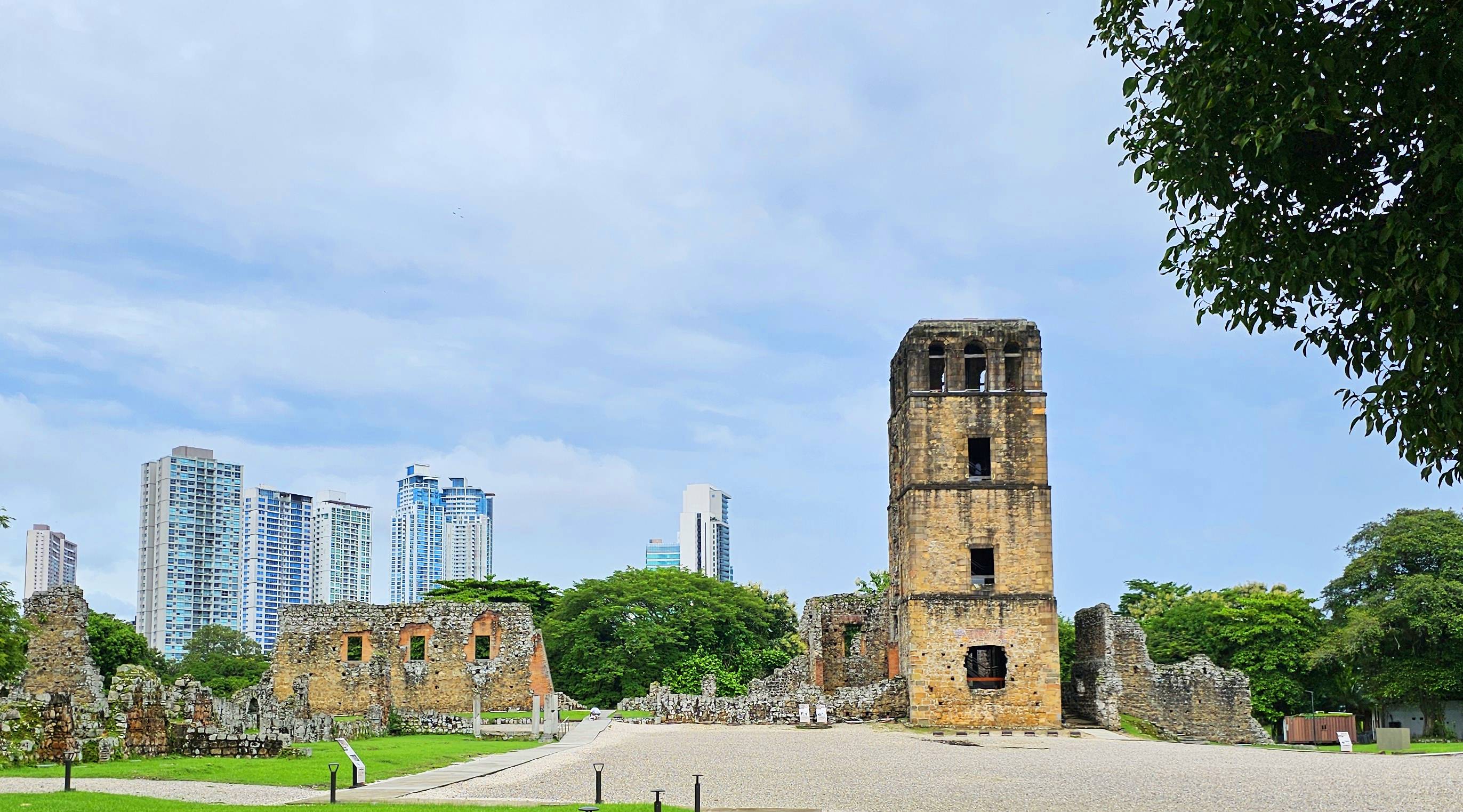
The views from the top of the bell tower were amazing.
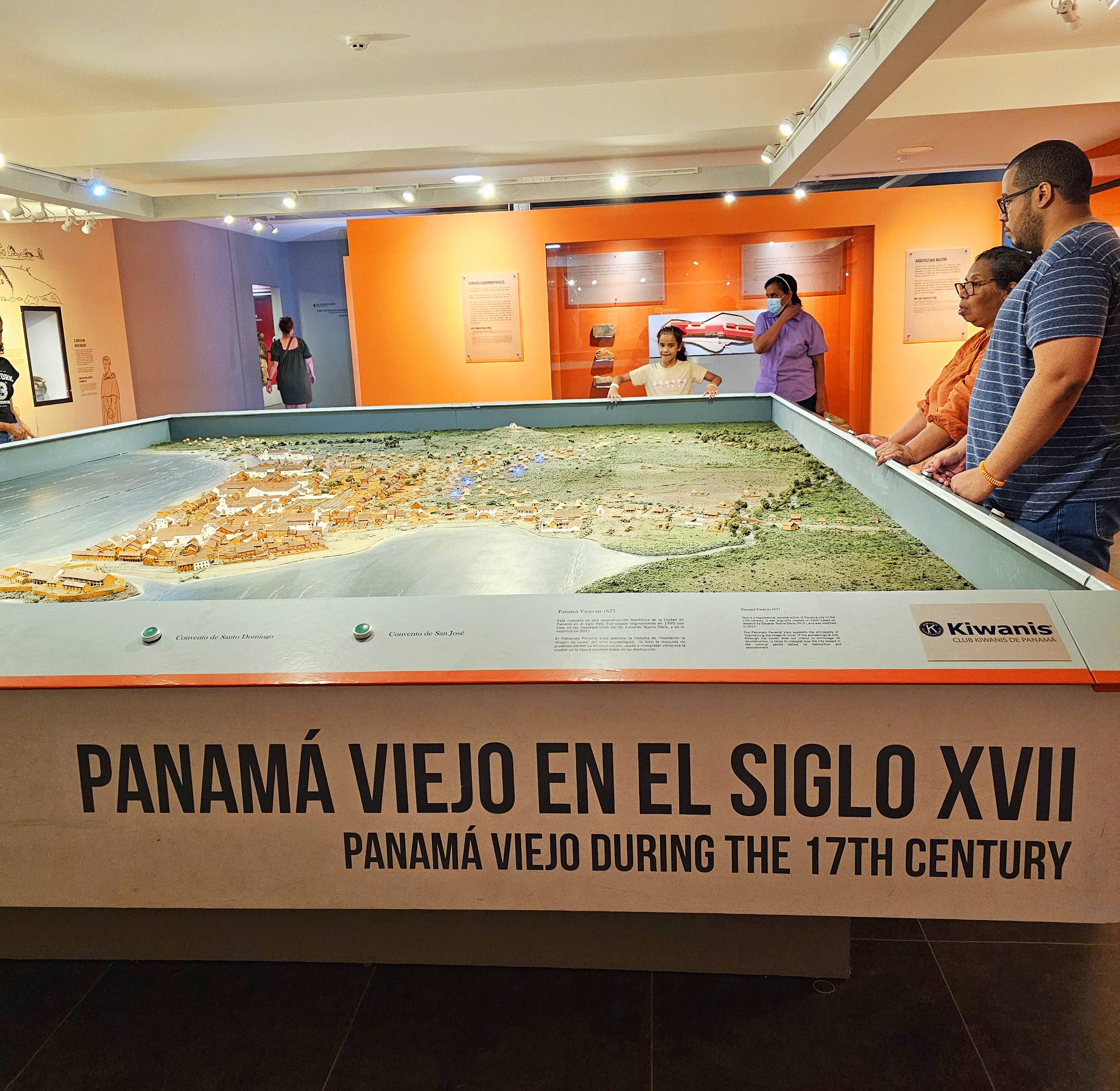
Two buildings house the site’s museum and it chronicles Pre-Columbian/Indigenous history before the Spanish settled there, thru to when the city was destroyed in 1671 by Henry Morgan. (Yup, that Captain Morgan.) The collection includes recent archeological finds, as well as art and documents from the 16th and 17th centuries. The exhibitions also have several interactive components as well, most notably the diorama which allows visitors to light up and identify the ruins you can tour outside to what their intended use was in the past. There isn’t a specific order to how to visit Panamá Viejo, but we toured the bell tower and its surroundings before checking out the museum, then breaking for lunch before walking through the rest of the ruins. I found that doing this actually helped me better appreciate the visit more. Tickets are $15 for foreigners over 18 and I would say it is a fairly lengthy day trip as it takes about 2 to 3 hours to tour through it all.
One place that was at the top of my “cultural highlights” list was the Museo Afroantillano de Panamá (The Afro-Antillean Museum of Panamá). This small museum in housed in a former mission church built in 1909 by workers from Barbados and contains a collection of items, photographs and dioramas portraying the living conditions and lifestyles of the western Caribbean immigrants who traveled to Panamá for the construction of the railroad in 1850 and later for the construction of the Panamá Canal in the early 1900s.

This museum has been around since the 1980s, but I didn’t find out about it until the 2010s at which point I told my mother that we had to go, after all her maternal grandfather’s family was part of the Jamaican migration wave to Panamá for the construction of the canal. Sadly, the museum was closed for renovation so I could only admire the facade of the church which included a colorful mural. All that to say that this will definitely be one of my first stops on my next trip to the homeland sometime soon.
Places to shop – Albrook Mall
I did not plan to do much shopping during this trip beyond getting a few souvenirs for some close friends. Admittedly, I was super curious about checking out the local plus size fashion scene, I mean we did arrive at the very start of Panamá Fashion Week, however, trying to find time to do so with such a short time frame proved to be a challenge, so I ultimately dropped it. The aunts being well aware of my shopping habits made a point to take me to some of their favorite places including Albrook.

Albrook Mall is the largest shopping mall in Panamá and Central America overall. It is filled to the brim with department stores, lots and lots of dining options (seriously, there are like FOUR different food courts!), a massive bowling alley, movie theater and so much more.

Some entrances had themes – this was the Dinosaur entrance.
I got to go twice with the family during this trip and we still didn’t get to see everything. What I liked most about this mall is that it has a great mix of stores and restaurants you can find in the United States with some others that are exclusively Panamanian/Central American. And as you can see from the picture above, there are some pretty fun photo ops shattered throughout as well that make the trip well worth it.
Final Notes

My grandmother has already declared that we will be making another visit next year, so this has me already making some preliminary plans just in case. Whether or not it ends up happening next year, I really do hope that I will get to visit again much sooner than before as it was nice to have a chance to reconnect with her and the rest of the family. Also getting to learn more about my cultural heritage right at the start of Latinx Heritage Month was an incredible treat as well.
I did end up buying some new accessories during some of those shopping trips with my aunts so you can totally expect to see some more “pops of culture” in some upcoming outfit posts in the near future.
Have you gotten to do much traveling this year so far?
Would you like to see more travel highlights like this on the blog?
 Big City, Curvy Girl, Thin Wallet
One thought on “My Panamá Travel Diary: Where to Stay, What to See and What to Eat”